|
Name /
Name :
| Jan Lombard |
|
Adresse /
Address :
| P.O. Box 1544
|
|
- :
-
| Randburg 2125 |
|
- :
-
| South Africa, |
|
Phone /
| -
|
|
Land /
Country :
| South Africa |
|
E-mail /
e-mail :
|
jlombard@hino.co.za
|
|
E-mail /
e-mail :
|
janlombard1@yahoo.com
|
|
- :
-
| -:- |
|
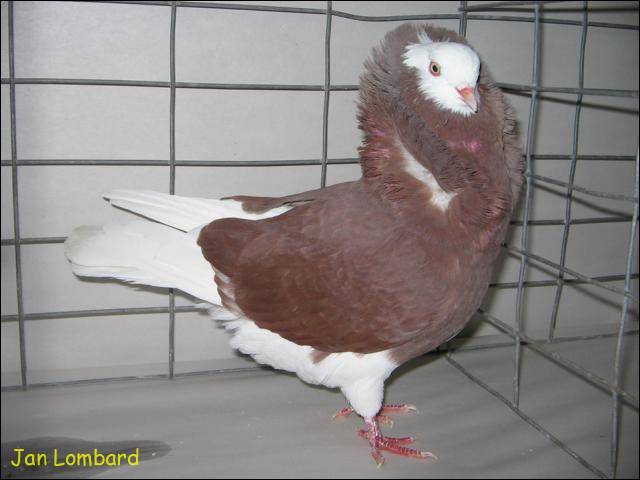
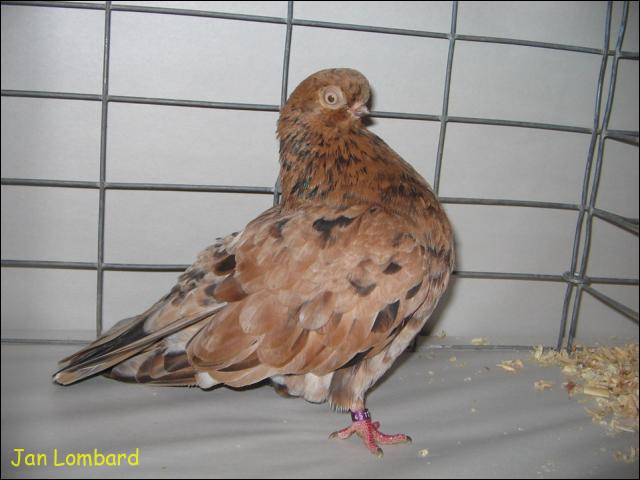
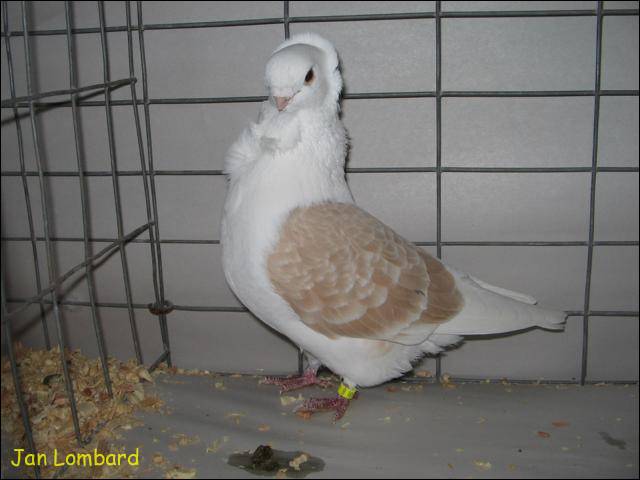
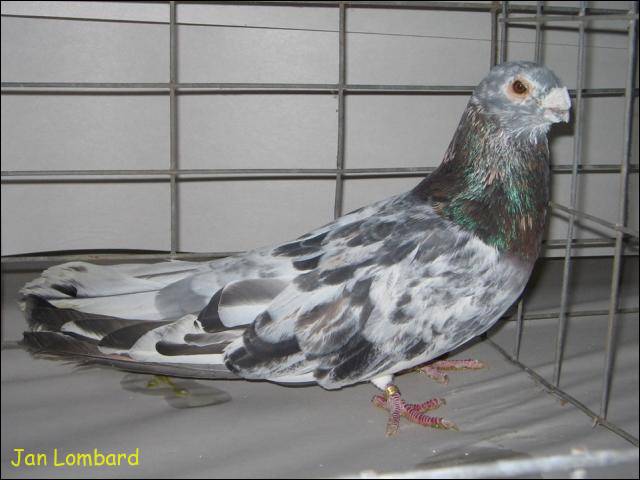
Züchte folgende Rassen :
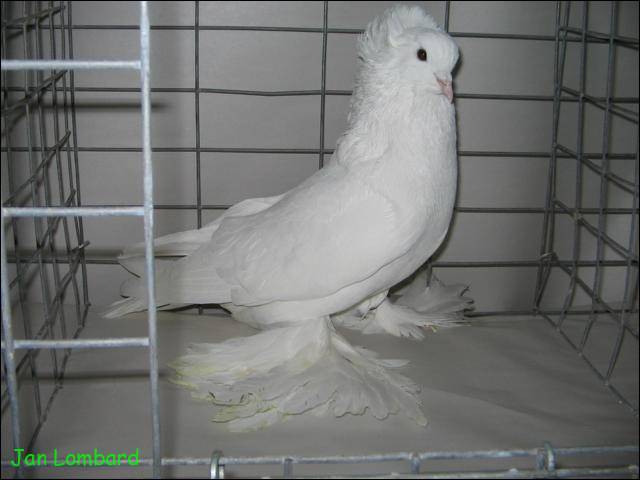
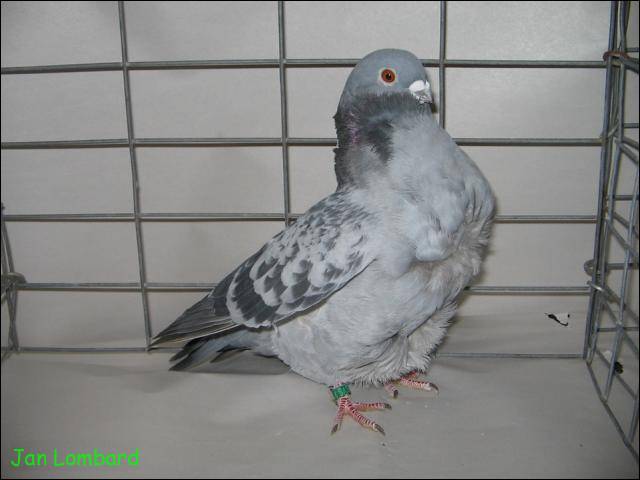
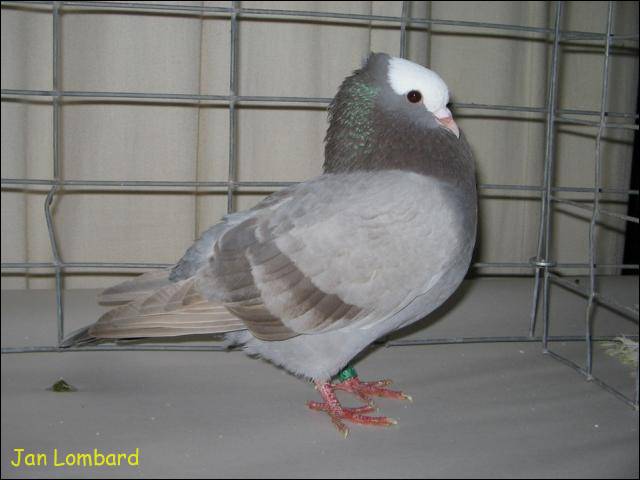
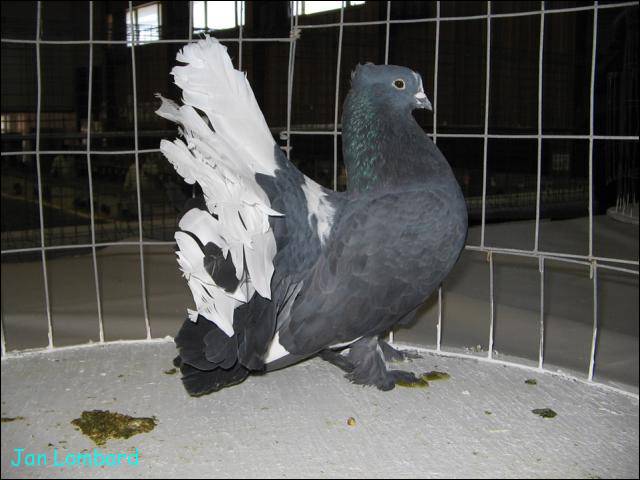
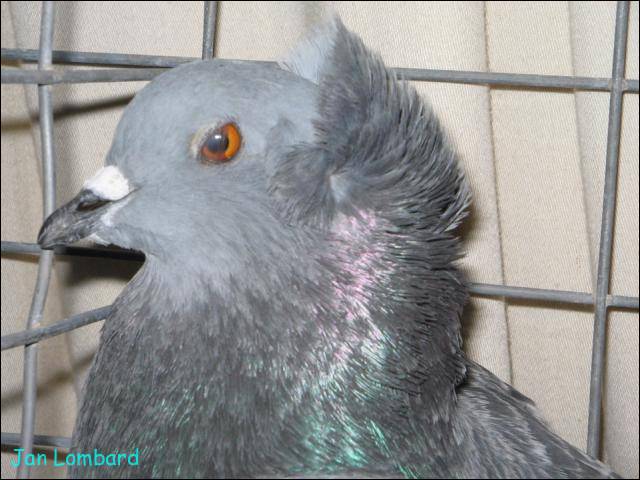
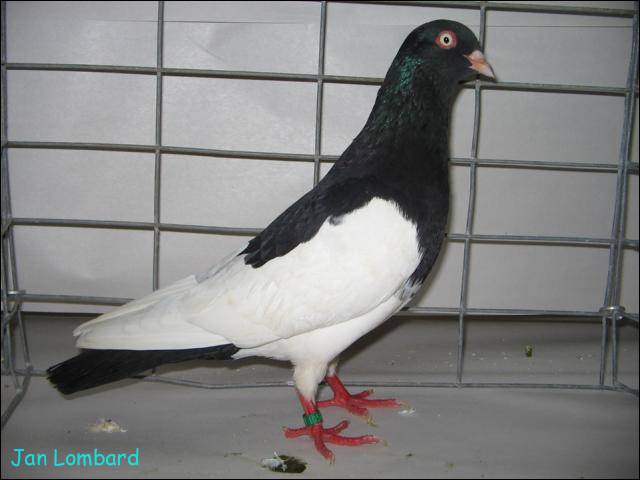
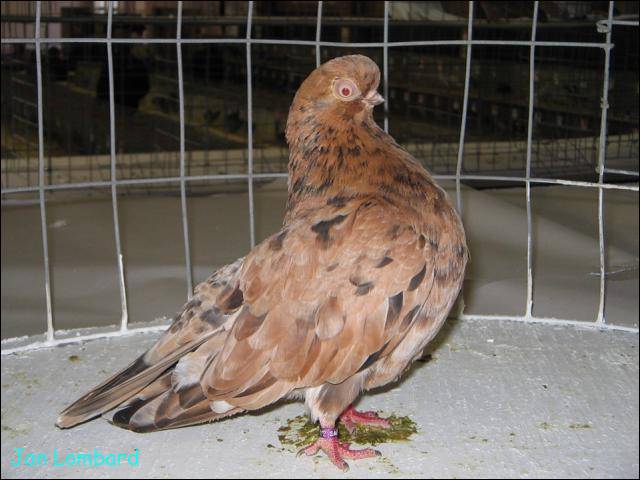
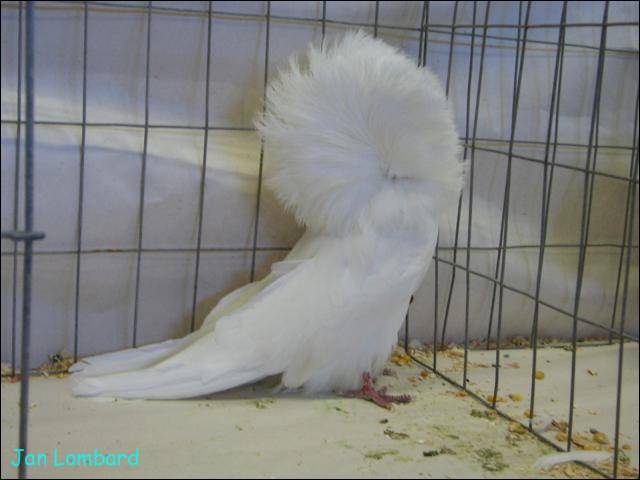
| Show Racer,
Deutsche Schautauben,
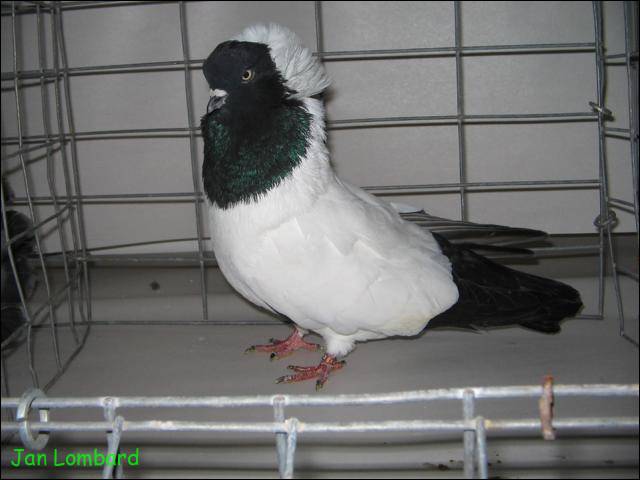
Komorner Tümmler,
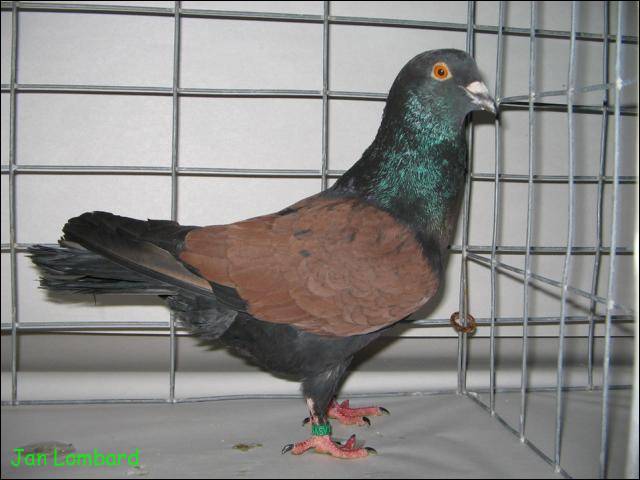
Felegyhazaer Tümmler,
|
|
Breeds:
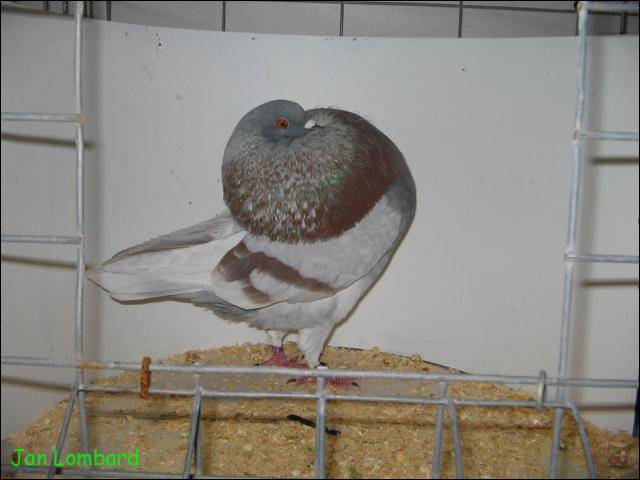
| American Show Racer,
German Beauty Homer,
Komorn Tumbler,
Felegyhazaer Tumbler
: |
|
- :
-
| -:- |
|
Weitere Projekte :
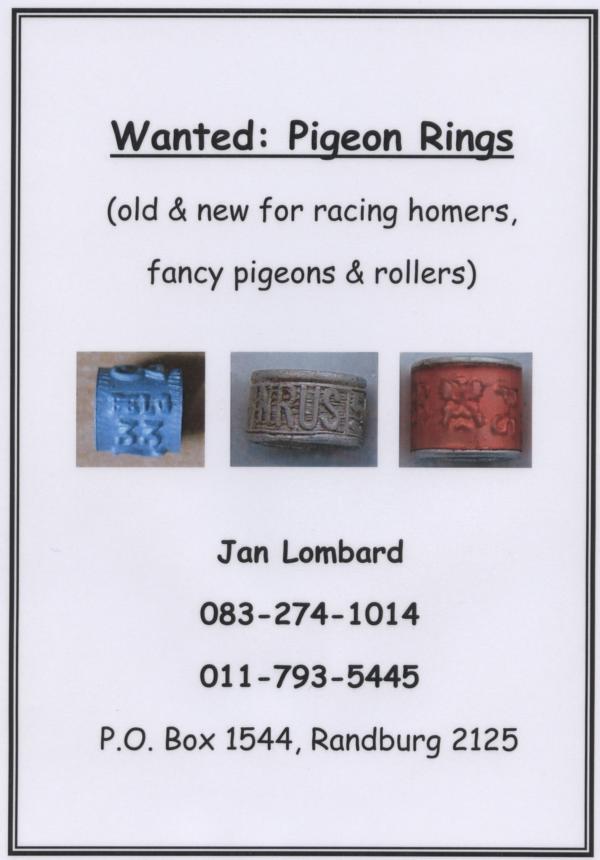
| Sammlung von Taubenringen;
Link: Pigeon Band Collector
Erzüchtung von SA / (South African) Botterneck Tumbler glattfüssig
|
|
Ongoing projects:
| Pigeon Band Collector ;
Link: Pigeon Band Collector
New: SA Botterneck Tumbler clean legged
|
|
- :
-
| -:- |
|
 |
|
Jan Lombard
- |
September 2013
Rassetauben-Tour auf die Philippinen.
Hier unten schildert Jan Lombard seine Eindrücke und Erfahrungen seiner Rassetauben-Tour auf die Philippinen.
Falls sie Fragen haben setzen sie sich gerne mit mir dhww-message@gmx.net oder
Norbert Giesecke in Verbindung.
A Fancy Pigeons trip to the Philippines – site seeing
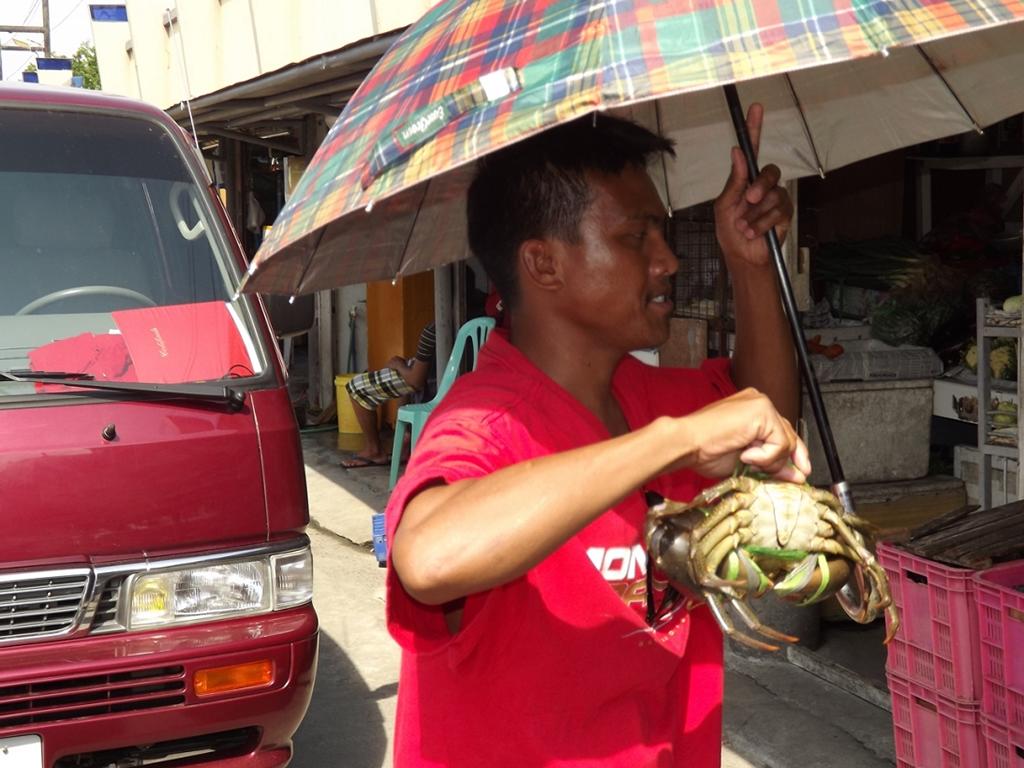
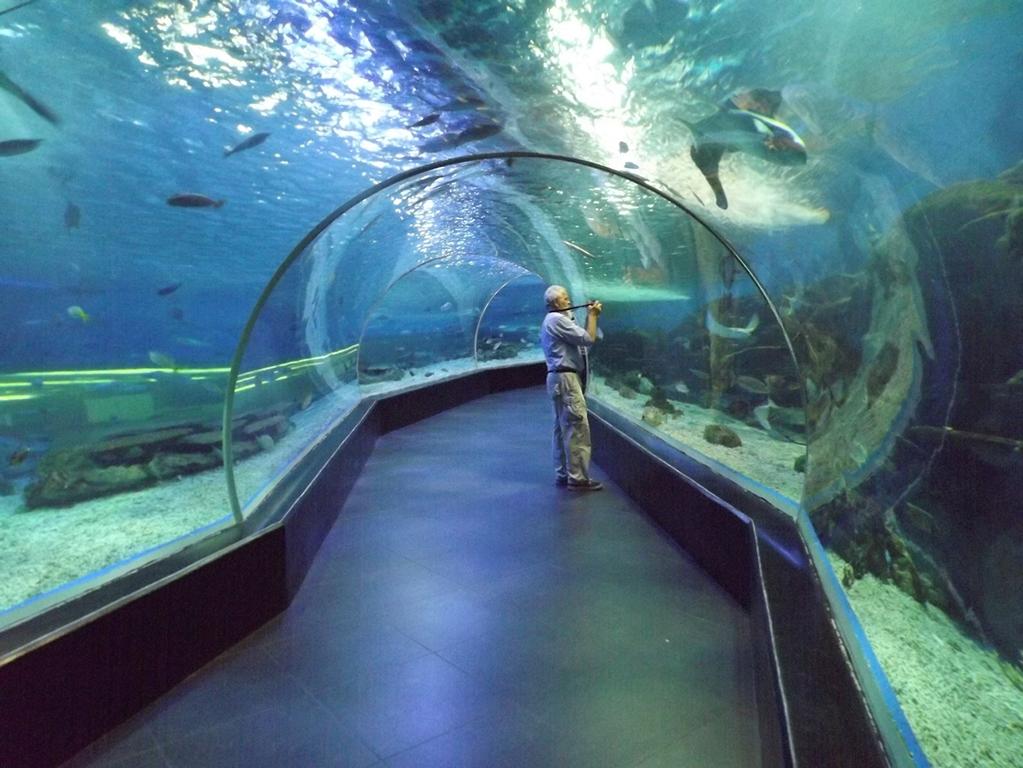
A few weeks ago I received an invitation to judge pigeons in the Philippines. This turned into an amazing experience that I will always remember. The flight from Johannesburg to Hong Kong took 13 hours. After a transfer time of almost an hour, we departed for Manila on another 1 hour 20 minute flight across the South China Sea. On arrival at the Ninoy Aquino International Airport on Thursday morning, we were collected by Jojo Santiago (head of the airport police) and quickly helped through customs and immigration. We checked into the Marriott Hotel Manila and took a quick shower, trying to adjust to the six hour time difference and the wash away the jet lag; after which we met Dick Hamer. (Dick and Ans were my guests in 2008, and I saw them again in Nurnberg is 2012 – a small world thanks to my feathered friends!) Our host Aries Hababag then took us for a seafood lunch at Dampa in Macapagal. Here fresh seafood (some still living) was selected for us, from hundreds of seafood stalls, and prepared in the close-by restaurant. Then it was off to the Manila Ocean Park. The transparent glass tunnel through which we passed underneath the biggest tank was very impressive. We then had a relaxing few San Miguel beers on a balcony overlooking Manila Bay, after which we were taken to the “Legends” Chinese restaurant to meet our host and to have an impressive meal. The most interesting dish I had there was very tasty and spicy chicken feet. For the duration of our stay, we had a dedicated taxi and driver by the name of Chris. Wow, can this man drive in traffic that seems completely disorganised, but very functional – always flowing.
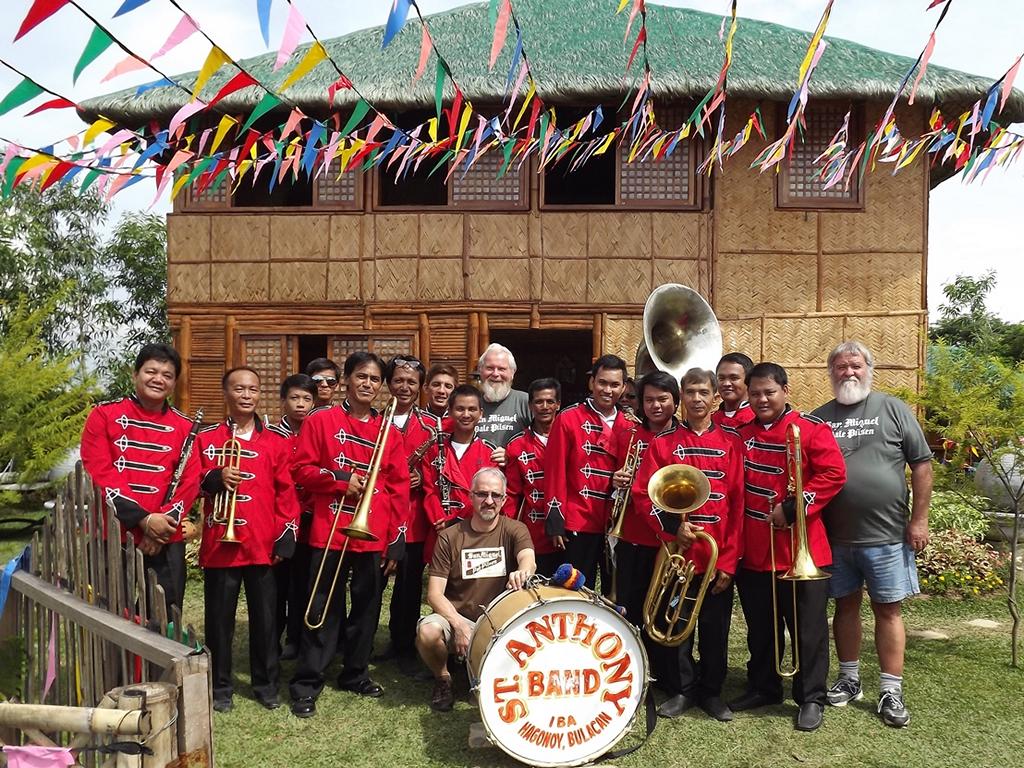
On Friday morning we drove to the SM North Edsa shopping mall. I wanted to buy a “San Miguel” T-shirt as a souvenir. Aries decided it will be a good idea if we all wear such T-shirts on our loft visit the next day, and bought each of us one. It was difficult to buy gifts for the family, as he always wanted to pay for everything. As I wanted to buy Nita some fresh water pearls, I had to wait until he was out of sight, before I quickly took it to the till! We then drove to the EDC lofts of Sir Edward Dela Crux in Bulacan. Here we were treated to a feast!!! Filipinos do not eat food, they celebrate it! On our arrival at Sir Edward’s lofts, it became clear that he had pulled out all the stops to surprise and entertain us! There was a traditional drum band with dancing puppets, as well as a brass band. This was really entertaining. A large number of members from the Bulacan Breeders’ Club were present. Although Edward does not live on this premise, he has a beautiful traditional house made from palm tree leaves and bamboo as well as a number of similar air conditioned huts and a beautiful tropical garden with his lofts. After we toured his lofts we were treated to a feast of food, and had far too many Saint Miguel beers! There were too many dishes to remember, with a roasted whole piglet as the highlight.
The whole of Saturday was consumed by the show – a topic for a different article. - see below
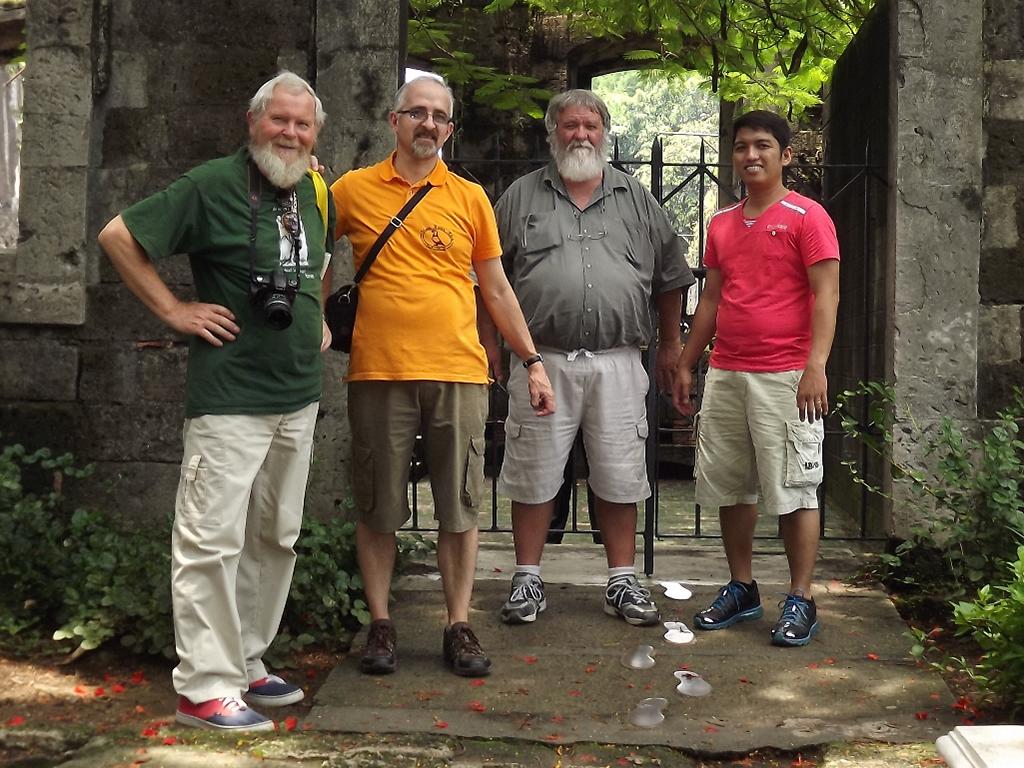
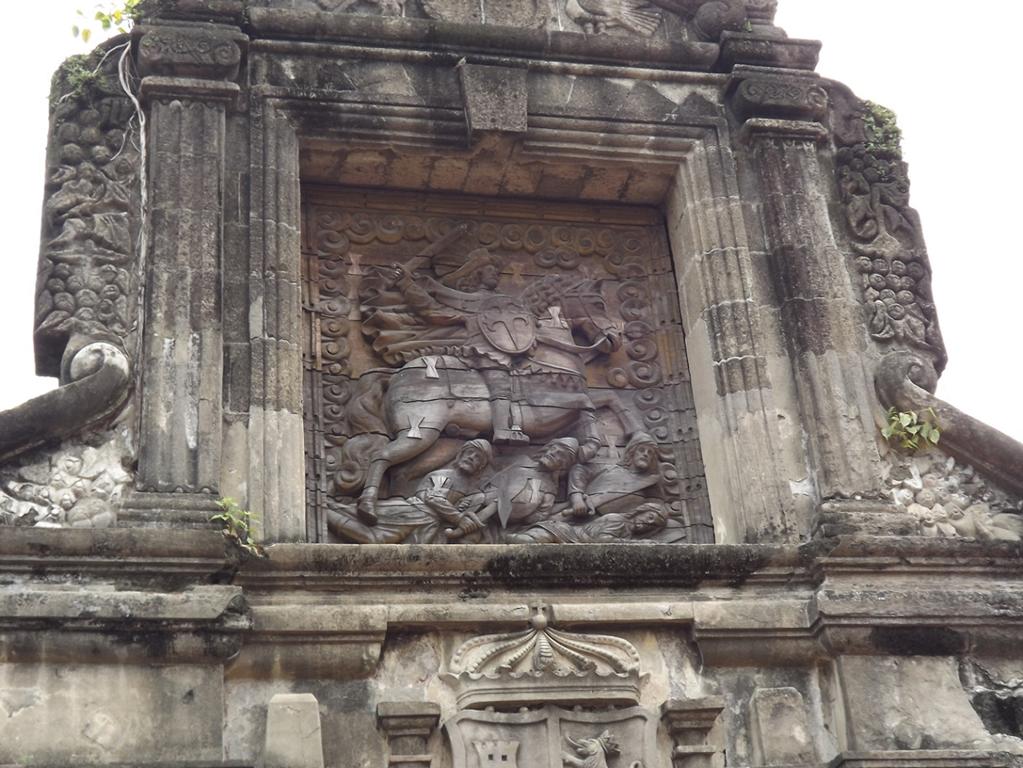
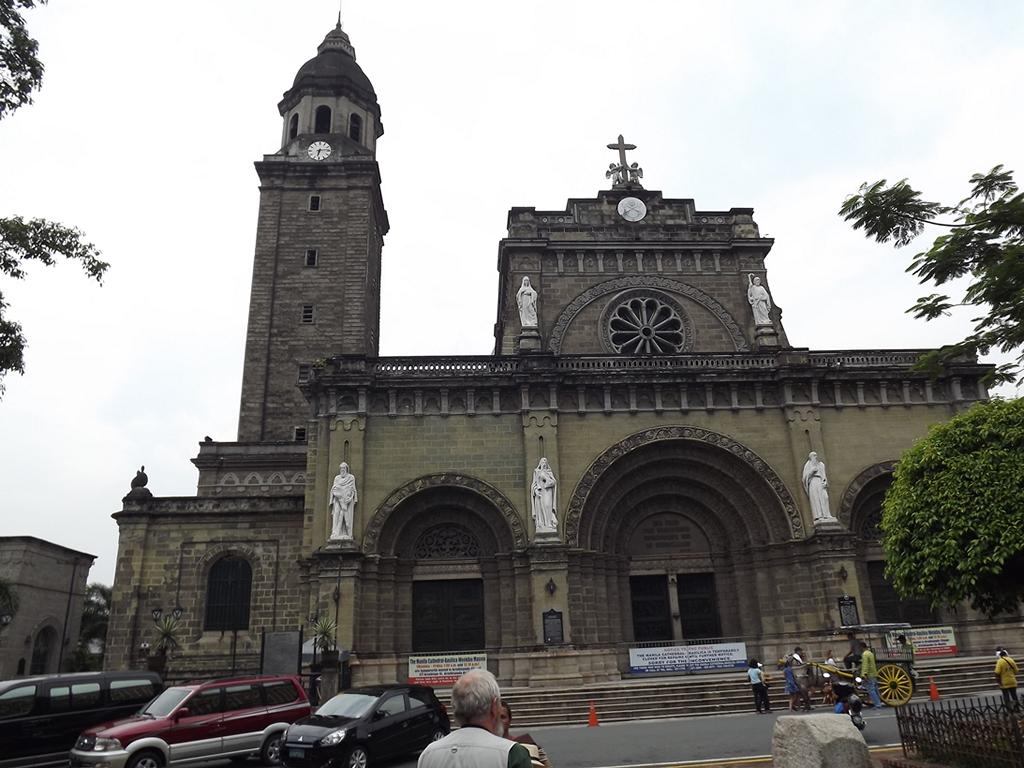
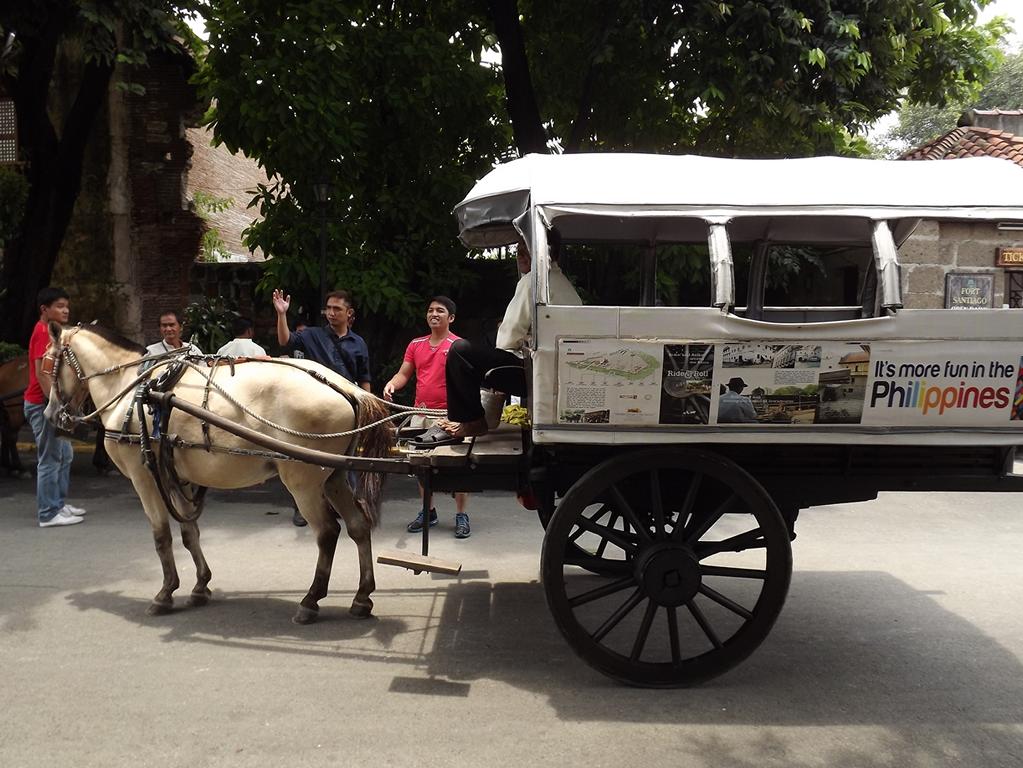
On Sunday we visited the beautiful Manila Cathedral and then toured Fort Santiago, populated by the Spanish, Japanese and Americans. The fort houses a museum in the honour of Jose Rizal, the Philippines’ national hero. His writings inspired the nation to overthrow the Spanish reign. What a beautiful old place with a rich history, and a photographer’s dream! We toured the walled city with a kalesa – a horse drawn carriage. We then visited the Mall of Asia. According to our hosts this is the biggest shopping mall in the Asian world! Later that day we ate – yet AGAIN – in the Aristocrat restaurant. Here I had Kare-Kare – a peanut based soup cooked from beef intestines!!! We also had crispy Pata (pork) and Tilapia (fish). I drank Buko (coconut) juice.
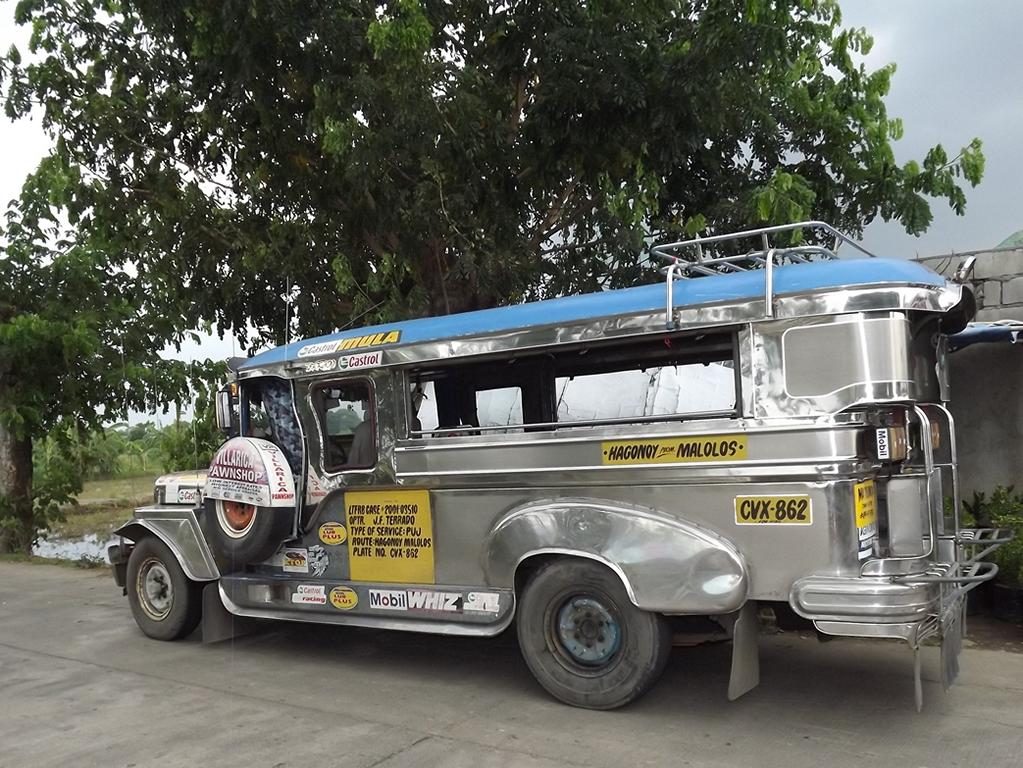
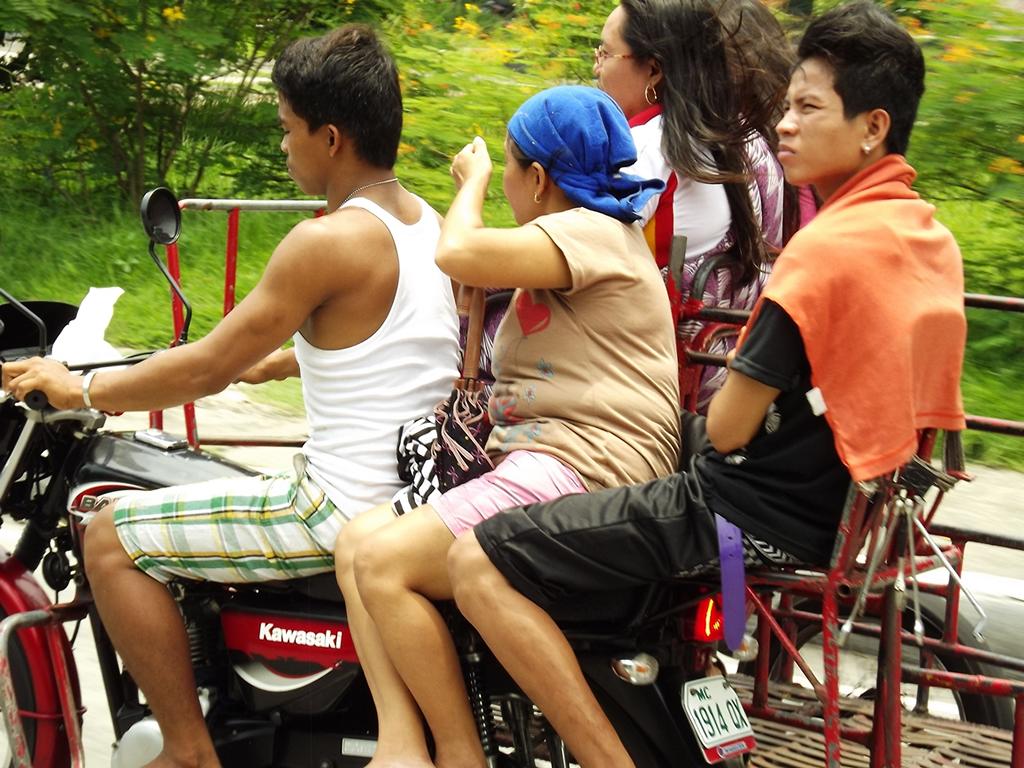
The Philippines is developing at a fast rate. We saw many sky scraping buildings taking shape on the Manila sky line. We also saw a lot of poverty. The people are however grabbing at every opportunity to make a living. Outside restaurants you will find people with umbrellas to protect you from the afternoon rains, to earn a living. You will see a guy transporting 2 or 3 others on 3-wheeled bicycles. Small motorcycles with side-carts become taxis or family transport. Jeepneys, based on extended WWII Willis Jeep left behind by the US army, are the local taxis.
In closing we would like to thank Sir Edward Dela Crux for his invitation, the Hababag brothers Aries and Archie for their hospitality as hosts; Chris for his excellent driving skills: and lastly my fellow judges Christo and Dick. You’ve made this an experience to remember for a lifetime!
A Fancy Pigeons trip to the Philippines – the show
A few weeks ago I received an invitation from Edward Dela Crux to judge pigeons in the Philippines on their Breeders’ Cup 2013 show. Since the invitation was for two people and my wife could not accompany me, I asked my host if I may bring along another judge from South Africa, to which he kindly agreed. Although some smaller regional shows took place in the past, this was their first National show of substantial size. The fancy is still in its infant shoes in this beautiful country. Most of the fancy pigeon clubs are only a few years old. Unlike the rest of the world, where fanciers are ageing, the Filipino fanciers are a young vibrant bunch, hungry for information and eager to learn. Fanciers come from all walks of life. My fellow judges were Christo Munnik (also from South Africa, and Mr. click-click – Dick Hamer from Holland. An interesting fact is that this was the 27th country in which Dick judged pigeon! Zuhair Hadji from Bahrain was also invited, but could not attend due to his son’s sudden illness.
On Friday we visited Sir Edward’s lofts. His lofts house numeral breeds: GBH, African Owls, Polish Owls, Budapester Tumblers, English longface Tumblers; a variety of Pouters, and many others. I even saw a pair of Uzbekistan Tumblers. Edward very unselfishly did not enter any birds for the show. I guess this was to protect us judges from any possible criticism from participants in case we picked any of his birds. I believe this was not necessary at all. I have not heard (nor seen body language to that effect) of any negativity or criticism from anybody at the show. Filipinos are the most positive and friendly people that I have ever met. Everybody was proud to take part and shared in the happiness and excitement of the winners. Another reason may be that I have told Sir Edward that we don’t want to visit lofts before the show, for the very reason mentioned above. As he wanted to show us his lofts, and since our visit was limited to 4 days with a full program, he most probably decided not to enter pigeons for the show, to enable him to entertain us at his lofts on the day before the show. This speaks a lot about his character.
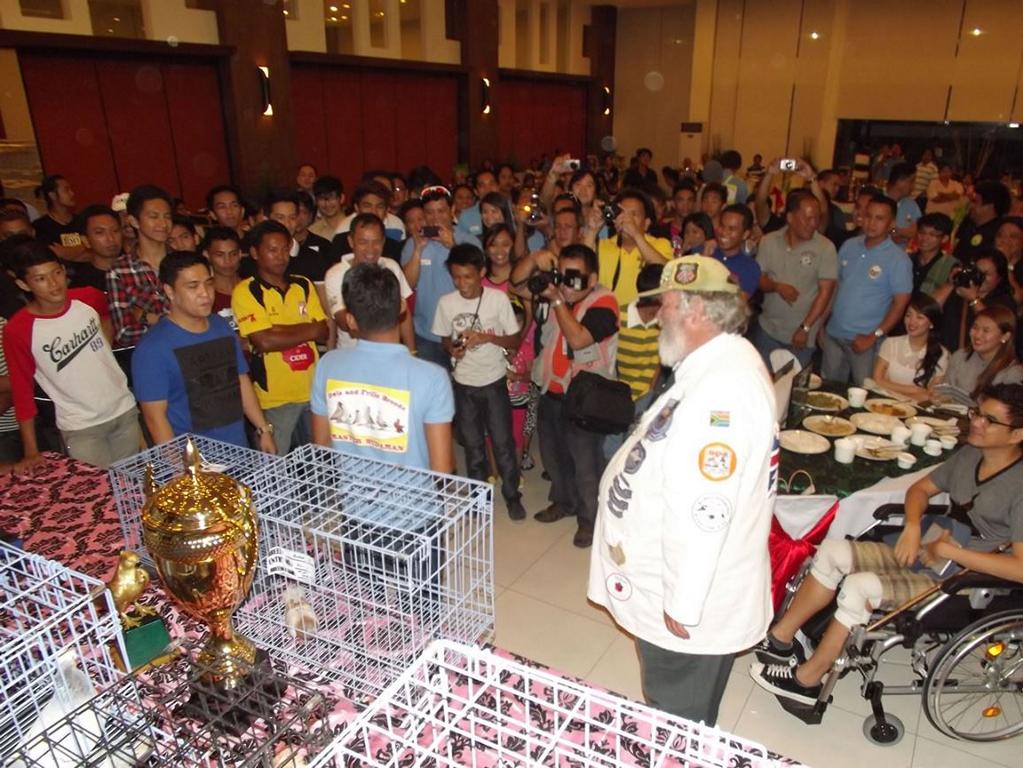
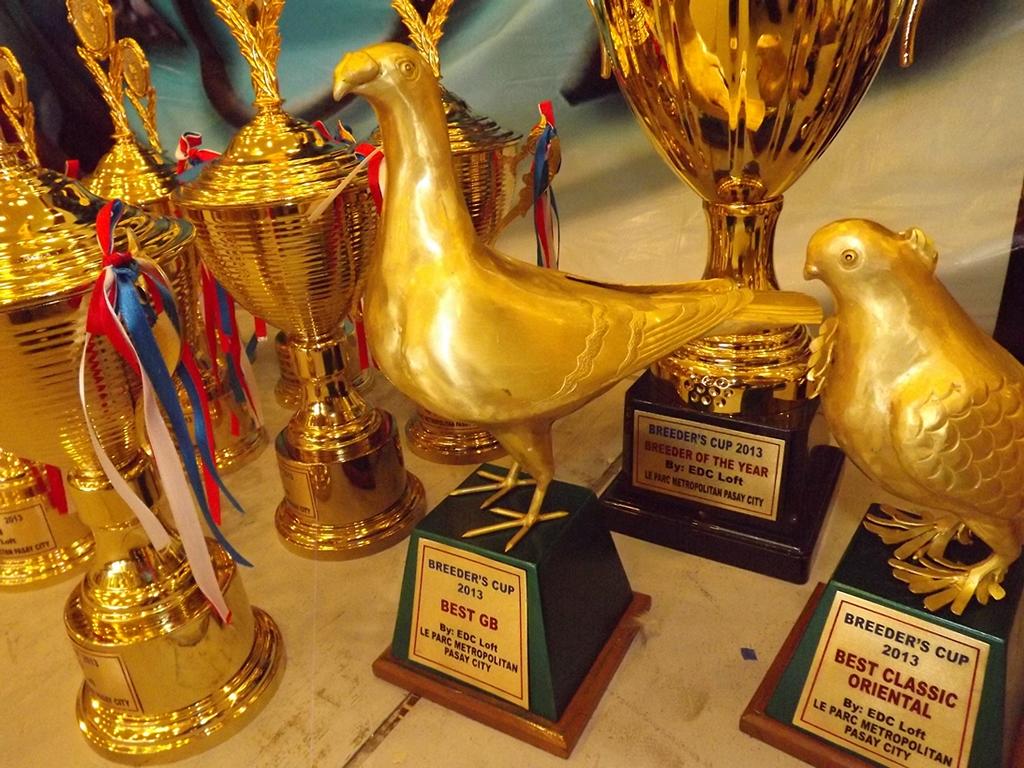
The show was made possible through huge “investments” in the hobby by Sir Edward. (All foreigners, as well as people you respect, are called sir by the Filipinos). Not only did he fly in three international judges and accommodated us in the expensive Marriott Hotel Manila, but he also sponsored the complete show. This included food and beverages for all present - a very tasty dish I can remember was tender pork tongue. He also commissioned a very large number of beautiful trophies. The winners of the three most popular breeds: GBH, Budapest Tumblers and Classic Old Frills each received a beautiful hand sculptured statue. The first three entries per breed each received a cup. From the winners the panel of three judges had to select the 3 best coloured birds, which also won cups. Then there was a “breeders’ choice” trophy, where the winner was selected by a number of breeders. Each of the 3 judges as well as club presidents and other people were honoured with beautiful engraved glass plates – for their contribution to the pigeon sport. The show took place in the Le Park Metropolitan building. Your readers may know that the Philippines is a very hot and humid (almost tropical) country, where the air conditioned hall was a huge comfort, bearing in mind that the 3 of us had to judge close to 900 birds in total! Coaches were hired to transport fanciers from other parts to Manila.
32 Breeds were represented on the show. The most popular breeds were German Beauty Homers, Budapest Tumblers and Classic Old Frill. In these breeds the quality varied from excellent in a few specimens to very poor in a lot. In some other breeds there were also good pigeons, but not a large number of excellent specimens. Show conditioning needs attention, and feather quality was bad on some birds. It became clear that these guys need to learn much about pigeon husbandry, Lack of access to standards and other information is largely to blame, BUT they are all willing and eager to learn.
The fancy is young, but alive and well. With a large number of enthusiastic members the sport can only grow. I would like to wish them the best of luck. Lastly I would like thank Edward Dela Crux for making this all possible, especially for inviting us, but also for giving the local fanciers an opportunity to show their pigeons at a big show.
By Jan Lombard, South Africa
|
 |
 |
 |
 |
 |
|
Dick, Jan, Christo & Aries |
Brass band with traditional house |
Fresh seafood |
Fort Santiago entrance |
Manila Cathedral |
|
 |
 |
 |
 |
|
Ocean Park |
Jeepney |
Our Kalesa |
Family transport |
|
 |
 |
 |
 |
|
Christo explain placing |
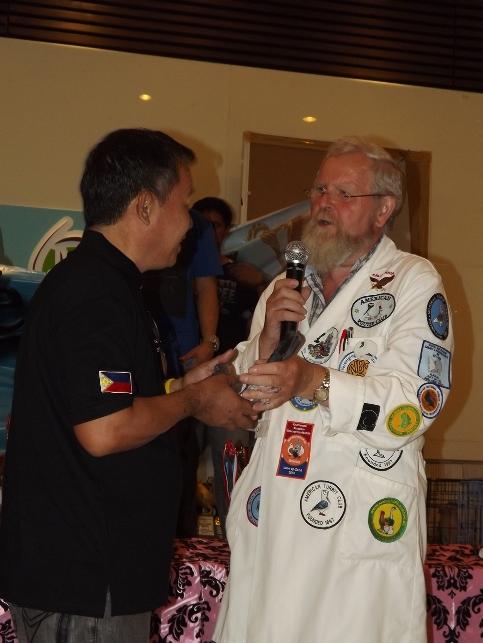
Dick handing over lucky draw pigeon |
Jason Ko, Edward & Archie |
Trophies |
Mai 2012
Jan Lombard - Tauben-Kunstwerke aus Südafrika.
Ich, Jan Lombard, bin im Dezember 2012 auf den Ausstellungen in Leipzig und Nürnberg.
Falls sie Interesse haben setzen sie sich gerne mit mir janlombard1@yahoo.com oder
Norbert Giesecke in Verbindung
, ich werde ihre Fragen sicher beantworten.
siehe unten.....
Vor einigen Jahren wurde in unserem heimischen Taubenverein die Idee geboren einzigartige,
besondere Auszeichnungen und Preise für unsere Ausstellung zu besorgen.
Eines unserer Mitglieder brachte daraufhin kleine Taubenfigürchen mit zur nächsten Jahreshauptversammlung mit
dem Vorschlag diese Art Preise als Auszeichnungen für die Gewinner auf der Ausstellung zu vergeben.
Ich warf einen Blick auf die mitgebrachten Beispiele und entschied mich dazu es zu versuchen etwas in dieser
Richtung zu entwerfen.
Obwohl ich kein Künstler von Beruf bin, habe ich einige Talente auf diesem Gebiet.
Nach einigen Versuchen zur richtigen Herstellungsweise und Material,
kam ich zu der Idee halbierte dreidimensionale Figuren mit flacher Rückseite herzustellen.
Diese kann man auf einer Gedenktafel oder einem Holzbrett befestigen.
Es sollte auch noch genug Platz auf der Tafel sein um ein Schild mit Gravur oder eine Inschrift anzubringen,
wie zum Beispiel „Bester der Rasse“, Bester des Farbschlages“, „Für besondere Leistungen“ oder etwas in dieser Richtung.
Als erste Plastik stellte ich einen Marchenerokröpfer her.
Dazu fertigte ich eine Urform aus Modellgips und damit eine Gießform her, die ich dann mit PUR-Harz ausgoss.
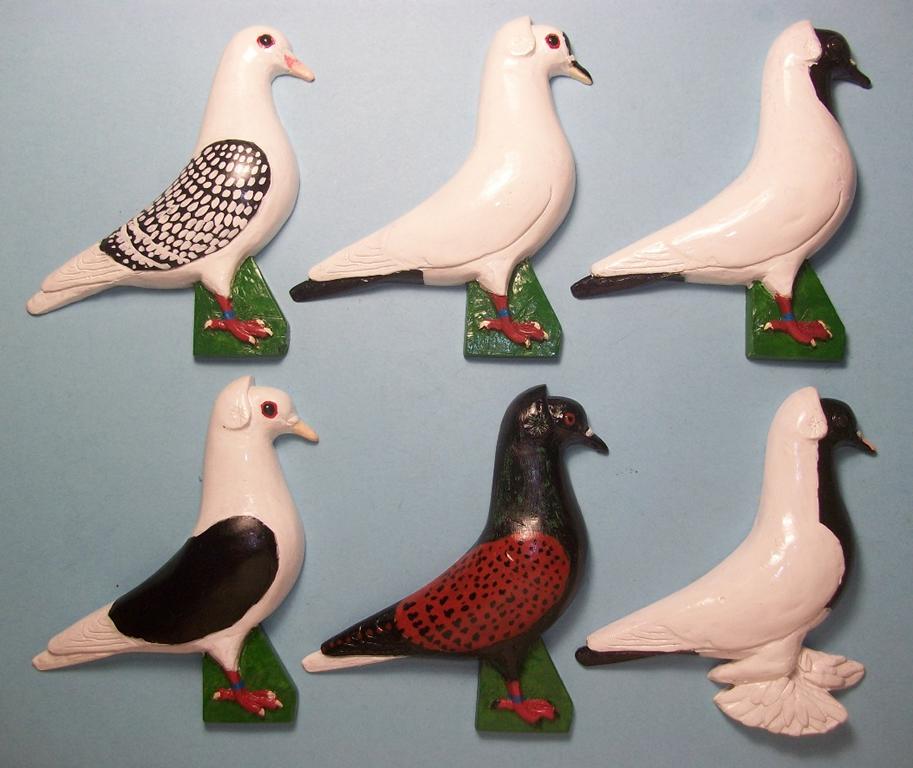
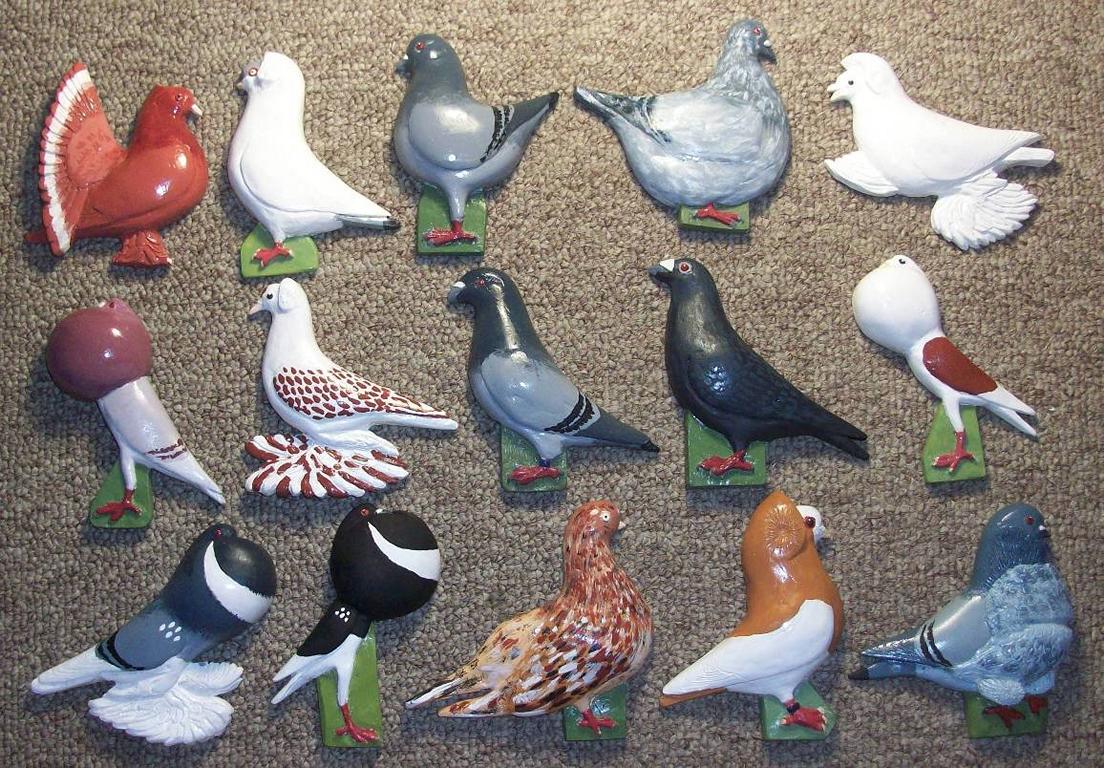
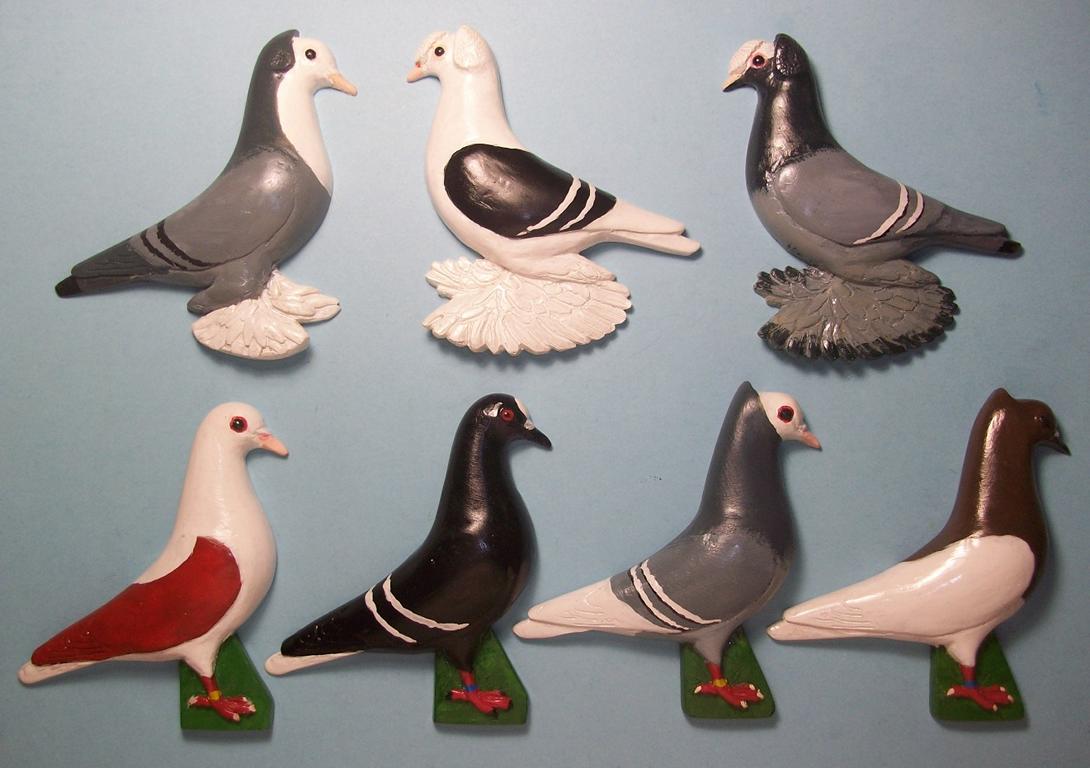
Die so hergestellten Figuren wurden Handbemalt, auf Holzbrettchen montiert und auf unserer Ausstellung vergeben.
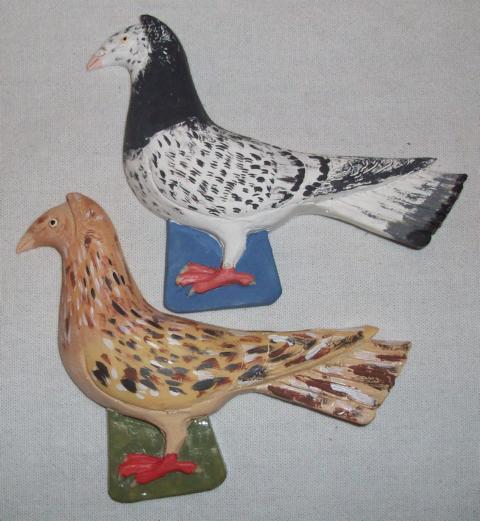
Durch die Art der Herstellung und Bemalung ist jede Figur ein Einzelstück und ein Kunstwerk für sich.
Ich stelle eine Auswahl verschiedener Rassetaubenfiguren von ca. 7-8 cm Größe her.
Diese können auf Holztafeln angebracht werden oder mit einem Magnet als Kühlschrankmagnete genutzt werden.
Wenn Liebhaber oder Sammler Interesse in meiner Arbeit haben,
können sie gerne Kontakt mit mir aufnehmen unter janlombard1@yahoo.com.
Außerdem beabsichtige ich die Figuren und Plaketten demnächst auf e-Bay anzubieten.
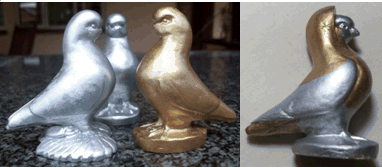
Weiterhin kann ich zusätzlich zu den bemalten auch Figuren in Metallfarben anbieten.
Hier sind durch den Einsatz entsprechender Metallpulver Bronze Silber und Gold möglich.
Die Liste wird ständig, auf Anfrage, erweitert.
Falls sie Interesse haben setzen sie sich gerne mit mir in Verbindung
janlombard1@yahoo.com, ich werde ihre Fragen sicher beantworten.
Jan Lombard - Pigeon art from South Africa.
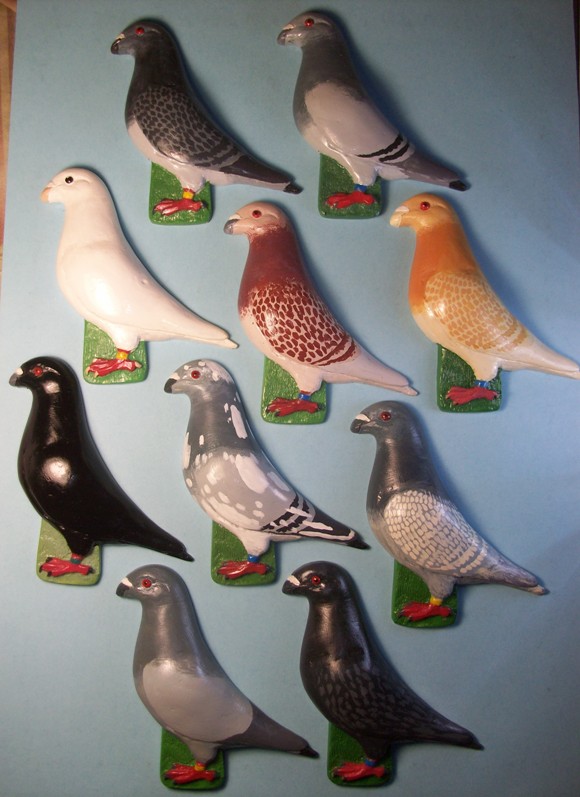
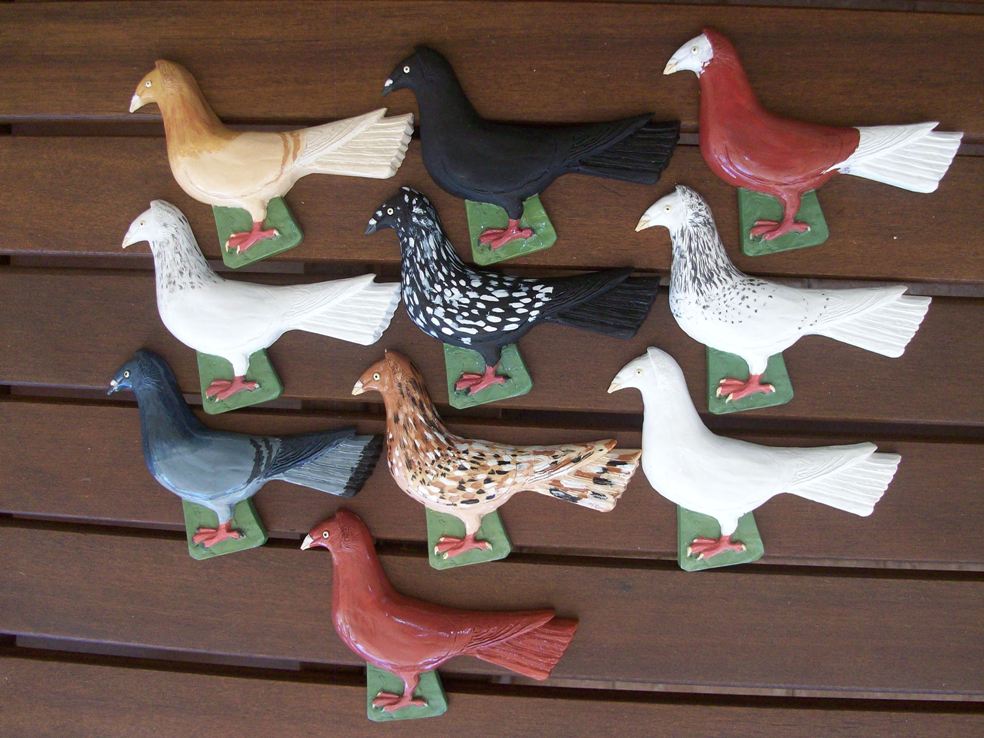
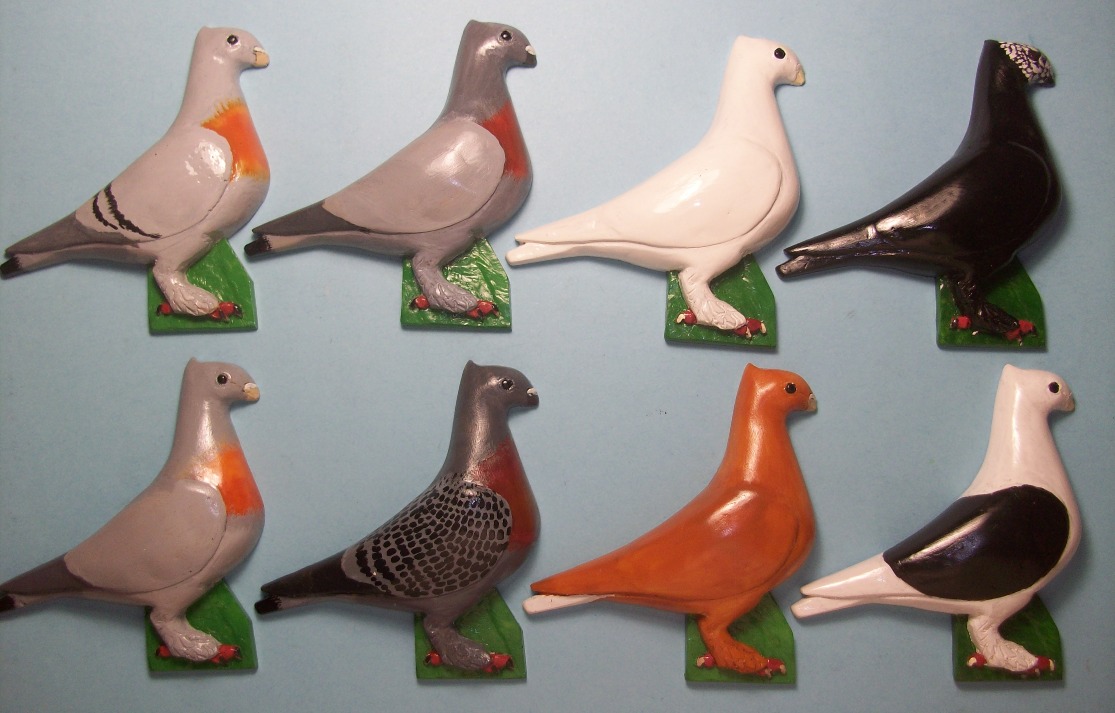
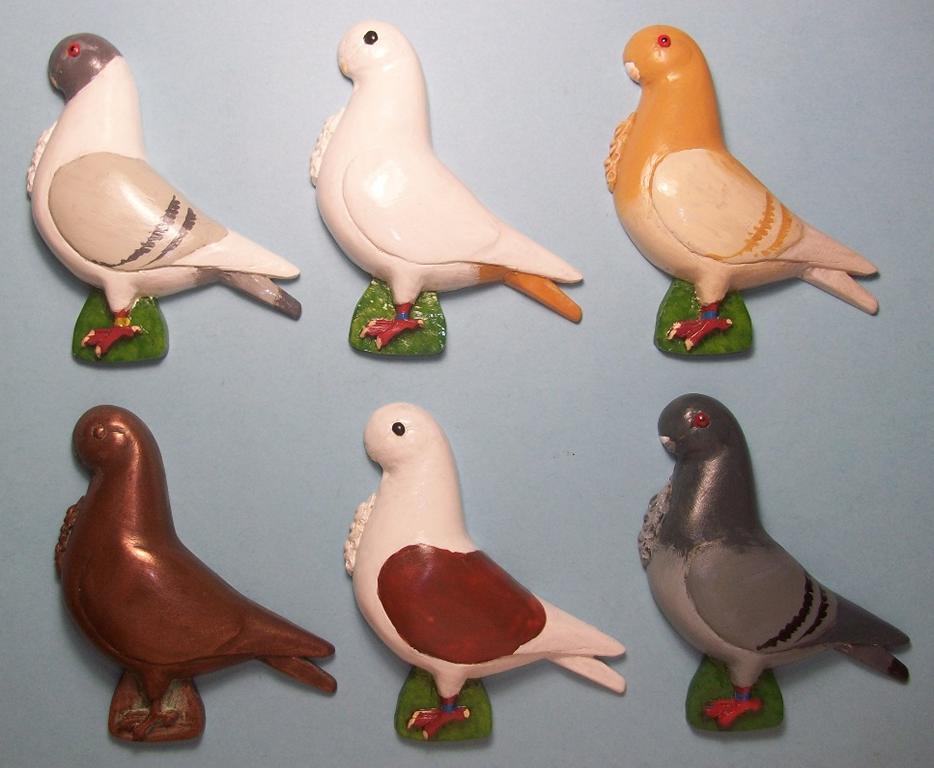
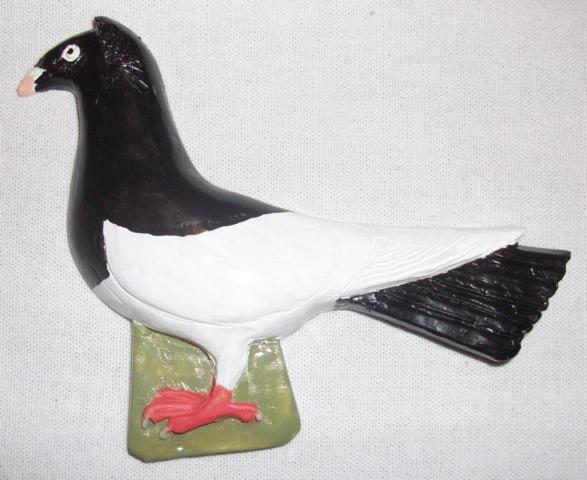
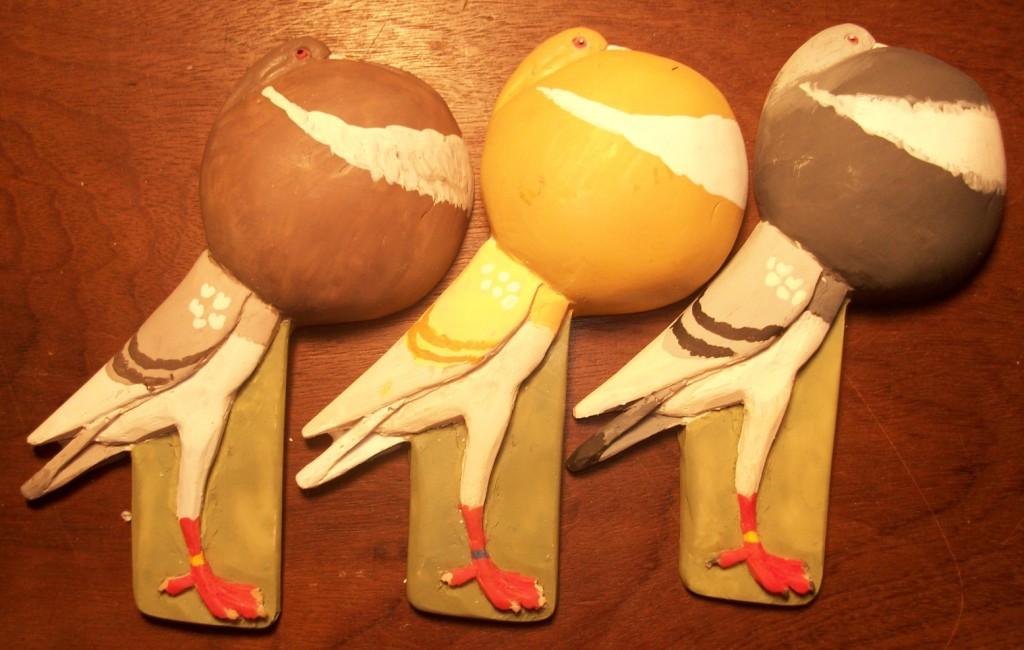
I am a pigeon enthusiast from South Africa. I make hand made, hand painted pigeon figurines. I also make them in metal finish - copper, brass or aluminium with the use of powdered metal in polyurethane. These are +- 75mm in size, and semi three dimensional (with a flat backside) - ideal to be used as fridge magnets; to be mounted on wooden plaques or to be framed. I will have figurines of over 100+ breeds for sale at the Europa show in Leipzig on 8 December as well as the VDT National show in Nurnberg on 15 December. My show price will the Euro 10.00 each for hand painted figurines and Euro 18.00 each for metal figurines. Each figurine is an unique piece of artwork. Interested parties may place an order via e-mail. I do not expect payment with the order. I will complete it and bring it to the two shows. Customers can pay me when they take delivery. If they are not satisfied with the results they don not have to buy it. There is therefore no risk involved in placing an order. Customers can send an e-mail to janlombard1@yahoo.com or jlombard@hino.co.za. All they have to do is to mention the breeds and colours they want.
Here is a list of my current range: Plainhead Owl (African, Anatolian, German Shield, German Tail, Domino, English); Australian Performing Tumbler, English CLLF Tumbler, English Muffed Tumbler, English SF Tumbler, Medium Face Crested Helmet, English Nun, Komorner Tumbler (American type), American Show Racer, German Beauty Homer, American Modena (Gazzi, Schietti & Magnani), English Trumpeter, Voorburg Shield Cropper, Dutch Cropper, Norwich Cropper, Holle Cropper, Marchenero Pouter, Horseman Thief Pouter, Pomeranian Pouter, Reversewing Pouter, Danziger High Flyer, Fantail, Indian Fantail, King, Gros Mondaine, Mookee, Chinese Owl, Old German Owl, Dragoon, Birmingham Roller, Lahore (European type), Bokhara Trumpeter, Racing Homer (left facing, right facing), Memeler High Flyer, Modeneser/Old German Modena (Gazzi Schietti & Magnani), Bavarian Pouter, American Giant Homer, Jacobin, German Longface Tumbler, Oriental Frill (Satinette, Blondinette, Vizor); Strasser, Silesian Cropper, Starwitzer Cropper, Elster Cropper, Hessian Cropper, Luzerne – grouse legs & peak crest (Gold Collar, Copper Collar, Shield, Elmer, solid/einfarbige, White Tail), Romagnoli, German Colour Pigeon – shell crest and clean legs (Echterdinger Colour Pigeon, South German White Tail, South German Spot; South German Shield, South German Moorhead; South German Latz; South German Blassen; Thuringer Mauser; Thuringer Swallow); German Colour Pigeon – plain head & clean legs (South German Tigermorhen; South German Coal Lark; Thuringer Wing; Turinger Goldkafer; Thuringer Crescent; Thuringer Shield; Thuringer Spot; Thuringer Stork; Thuringer white Tail); German Colour Pigeon – peak crest and clean legs (South German Monk, St. Galler Wing); German Colour Pigeon – shell crest & heavy muffs (Saxon Stork; Saxon Swallow, Sazon Spot; Saxon Shield; Saxon Wing; Saxon Field Colour Pigeon; Bohemian Swallow); German Colour Pigeon – plain head & heavy muffs (Saxon White Tail; Saxon Reversewing; Saxon Stork; Saxon Spot; Saxon Crescent; Saxon Monk; Saxon Wing; Saxon Field Colour Pigeon; Saxon Bruster; Bohemian Swallow); German Colour Pigeon – double crest & heavy muffs (Saxon Shield; Saxon Pfaffentauben); German Colour Pigeon – shell crest and smaller muffs (South German Monk; Thuringer Einfarbige; Thuringer White head; Thuringer White Latz, Wurttenberger Moorhead).
best regards
Jan Lombard
Jan Lombard
Dezember 2011
Pigeon art from South Africa.
A few years ago our local pigeon club was challenged with the idea to come up with unique awards for your show.
One of our members brought along small pigeon figurines to our AGM and enquired if we cannot award
something similar to our winning exhibitors.
I had a look at his examples and decided to try to create something slightly different.
Although I’m not an artist by profession, I do have some talent in this field.
After a lot of research to find the correct technique and materials,
I came up an idea to make semi-three dimensional sculptures with a flat backside –
ideal for mounting on a small wooden shield or plaque.
The idea was to have enough space on the shield for a metal plate with an inscription about the award –
i.e. “Best of Breed” etc.
I made my first sculpture – a Marchenero Cropper – out of modeling clay,
of which I then made a mould, and started casting sculptures from polyurethane.
These I hand painted in true pigeon colours, mounted them on wooden shields, and handed it out at our show.
Because my work is hand painted every item is a unique work of art.
I decided to start a range of different breeds.
I kept the size of the sculptures standard –
i.e. plus minus 7-8cm high, to ensure that I can mount it on standard sized wooden shields.
This helps with packaging.
It makes sense to standardize sizes - if somebody wants to collect and display some of mywork.
I also wanted to keep it small enough, because sometimes our partners don’t allow us too much display space!
When visiting international pigeon judges expressed interest in my work, and bought some to take back home,
I realized that there may be an international demand for them.
I will soon offer these on e-Bay. I will offer sets of 5 figurines at a time.
These are painted in colours of my choice.
If somebody wants some painted in specific colours they can contact me at janlombard1@yahoo.com.
I have opened up a PayPal account to enable fanciers and collectors in other countries to easily buy from me.
With the use of metal filler powder, I can also offer copper (bronze colour),
brass (gold colour) and silver figurines. These look and feels like real metal sculptures.
Currently my range includes the following breeds:
English Long Face Clean Leg Tumbler,
English Muffed Tumbler,
English Short Face Tumbler,
Medium Face Crested Helmet,
English Nun, Komorner Tumbler,
American Show Racer,
German Beauty Homer,
Modena,
English Trumpeter,
Voorburg Shield Cropper,
Dutch Cropper,
Norwich Cropper,
Holle Cropper,
Marchenero Pouter,
Horseman Thief Pouter,
Danzig Highflier,
Fantail,
Indian Fantail,
King,
Gros Mondaine,
Mookee,
Chinese Owl,
Old German Owl,
Dragoon,
Birmingham Roller,
Russian Tumbler,
left facing Racing Homer, right facing Racing Homer.
I will keep on adding to this range. I plan to also do poultry breeds.
If somebody wants any breed not listed above, it can be done,
but on the condition that they order at least 10 units.
If somebody wants to place a specific order,
they must realize that this is a part time hobby and that an order will take some time to complete.
This is especially important to keep in mind if the order is for a show.
Such orders should be placed 2-3 months before the expected delivery date.
If it is for a breed for which I do not have a mould as yet, it may even take longer.
I do not expect payment when the orders are placed.
When an order is completed I will send a photograph to the customer.
Once he is satisfied, he can pay me via PayPal, and I will mail his order through airmail.
One of my friends arranged with Zimbabwean craftsmen to make beaded Brunner statues.
This is a true African art-form and made out of wire and beads.
I've negotiated to buy some from him, which will also be offered on e-Bay.
Jan Lombard
Tauben-Kunstwerke aus Südafrika.
Vor einigen Jahren wurde in unserem heimischen Taubenverein die Idee geboren einzigartige,
besondere Auszeichnungen und Preise für unsere Ausstellung zu besorgen.
Eines unserer Mitglieder brachte daraufhin kleine Taubenfigürchen mit zur nächsten Jahreshauptversammlung mit
dem Vorschlag diese Art Preise als Auszeichnungen für die Gewinner auf der Ausstellung zu vergeben.
Ich warf einen Blick auf die mitgebrachten Beispiele und entschied mich dazu es zu versuchen etwas in dieser
Richtung zu entwerfen.
Obwohl ich kein Künstler von Beruf bin, habe ich einige Talente auf diesem Gebiet.
Nach einigen Versuchen zur richtigen Herstellungsweise und Material,
kam ich zu der Idee halbierte dreidimensionale Figuren mit flacher Rückseite herzustellen.
Diese kann man auf einer Gedenktafel oder einem Holzbrett befestigen.
Es sollte auch noch genug Platz auf der Tafel sein um ein Schild mit Gravur oder eine Inschrift anzubringen,
wie zum Beispiel „Bester der Rasse“, Bester des Farbschlages“, „Für besondere Leistungen“ oder etwas in dieser Richtung.
Als erste Plastik stellte ich einen Marchenerokröpfer her.
Dazu fertigte ich eine Urform aus Modellgips und damit eine Gießform her, die ich dann mit PUR-Harz ausgoss.
Die so hergestellten Figuren wurden Handbemalt, auf Holzbrettchen montiert und auf unserer Ausstellung vergeben.
Durch die Art der Herstellung und Bemalung ist jede Figur ein Einzelstück und ein Kunstwerk für sich.
Ich stelle eine Auswahl verschiedener Rassetaubenfiguren von ca. 7-8 cm Größe her.
Diese können auf Holztafeln angebracht werden oder mit einem Magnet als Kühlschrankmagnete genutzt werden.
Wenn Liebhaber oder Sammler Interesse in meiner Arbeit haben,
können sie gerne Kontakt mit mir aufnehmen unter janlombard1@yahoo.com.
Außerdem beabsichtige ich die Figuren und Plaketten demnächst auf e-Bay anzubieten.
Weiterhin kann ich zusätzlich zu den bemalten auch Figuren in Metallfarben anbieten.
Hier sind durch den Einsatz entsprechender Metallpulver Bronze Silber und Gold möglich.
Zur Zeit kann ich folgende Rassen anbieten:
Englische Long Faced Tümmler (glattfüßig und belatscht),
Englische Short Faced Tümmler,
Kalotten (Helmets) mit Haube,
Englische Nonnen, Komorner Tümmler,
American Show Racer, Deutsche Schautaube,
Modena, Englische Trommeltauben,
Voorburger Schildkröpfer,
Holländische Kröpfer,
Norwich Kröpfer,
Amsterdamer Kröpfer,
MarcheneroKröpfer,
Horseman Thief Pouter,
Danziger Hochflieger,
Pfautauben,
Indische Pfautauben,
Kingtauben,
(Gros) Mondain,
Mookeetauben,
Chinesentauben,
Altdeutsche Mövchen,
Dragoon,
Birmingham Roller,
Russian Tumbler (Ostpreußische Werfer)
und Brieftauben.
Die Liste wird ständig, auf Anfrage, erweitert.
Falls sie Interesse haben setzen sie sich gerne mit mir in Verbindung
janlombard1@yahoo.com, ich werde ihre Fragen sicher beantworten.
übersetzung in Deutsch -
German translation
Portrait Norbert
November 2009
The incorrect use of antibiotics.
Article by Jan Lombard
See:
September 2009
Jan create special pigeon figurines
A wonderful artwork
See the photos - interest? - Ask Jan!
September 2008
The Pigeon Fancy in South Africa
By Jan Lombard
Although keeping fancy pigeons in South Africa as a hobby is most probably much older,
the South African Fancy Pigeon Association was founded in 1943.
As such is celebrated it 65th year of existence in 2008.
This organization is divided into 11 affiliated regions, namely: Gauteng, Freestate, Western Cape,
Northern Freestate, Eastern Transvaal, Northern Cape (previously known as Griqualand West), Eastern Province,
South Western Districts, Western Transvaal, Northern Transvaal and KwaZulu-Natal Eastern Free State.
The last mentioned region was previously two separate regions.
Namibia previously formed part of SAFPA,
but has subsequently formed a separate national body known as the Namibian Fancy Pigeon Association.
This was done to gain the recognition as a national sport and to receive financial support from the Namibian government.
When Namibia was still known as South West Africa, this country fell under administration of the South African government.
Well informed readers will notice that some of the SAFPA regions still use names from the previous political aera.
In years gone by each region hosted an annual show, while some also hosted young bird shows and supported
agricultural shows (fairs) with pigeon sections.
With the new political dispensation, most rural agricultural show societies became bankrupt.
As a result there are fewer opportunities to show, and some regions have lost their show venues.
Due to the high oil prices and the long distances one has to travel to attend shows, show entries have decrease dramatically.
Previously some regional shows drew entries of 2000+ and the Championship show had entries of over 4000.
The 2008 Championship show however drew only 1700 entries this year.
I can remember times when the SAFPA had over 400 members.
Membership is down to just over 200. Despite high travel costs, there are some other reasons to blame for the decline in membership.
Because of these reasons a new national body was formed in 2006.
This organization has a very dynamic leader and already enjoys the recognition of the South African Sports Confederation & Olympic Committee.
As such it has got access to places of high visibility in the public arena.
The NFPA recently hosted a show at the Victoria & Albert Waterfront in Cape Town that was visited by over 4000 members of the public.
A lot of hope is place on the idea that such a public display will help the NFPA to restore the fancy to its former glory.
When judging pigeons at a South African show, we use the American system of picking a winner in every breed.
We have a standardized show schedule for all recognized colour classes in all recognized breed,
as well as a class for so-called any-other-fancy-pigeon.
Based on this, exhibitors use the same set of class numbers to enter birds at all shows.
Show administration is then done with a standardized computer program.
For each recognized colour there are 4 classes, e.g. Young Cock, Young Hen, Old Cock and Old Hen.
Because the breeding season (August to March) spans two calendar years in the Southern hemisphere,
and because we get our new rings on December 1, it is possible to enter 2007 and 2008 banded birds as young birds during the 2008 show season.
Birds banded with 2006 and older rings automatically take part in the old bird classes.
Because some young birds bred in December or January, are still very young at the onset of the show season in May,
it is advisable to first judge all the young hen classes in the breed.
Sometimes some birds entered as Young Hens pick the show day to point out that they are actually cocks,
which the judge may then move to the respective Young Cock classes.
As some inexperienced exhibitors sometimes enter Old Hens in the Old Cock classes,
it also makes sense to judge the Old hens before the old cocks.
Out of all the young cock class winners a best Young Cock is then selected.
The same hold true for a best Young Hen, Old hen and Old Cock.
The judge then picks his best Young Bird and his best Old Bird, and from these two the breed winner.
We use standard colours for pen cards with white for Old Cocks, Green for Old Hens,
Blue for Young Cocks and Pink for Young Hens.
With the help of the above mentioned computer program labels get printed out that shows the pen number,
class number, breed, colour and sex/age of the entry.
These labels are then pasted onto the different coloured pen cards.
The computer program also prints out judging sheets with all the details needed for judging.
It also prints out exhibitors’ sheets with all their pen numbers and details about their entries.
This they use to find their pens at the onset of the show.
Some breeds are judged within their holding pens, while others like Modenas and American Show Racers
are judged in separate judging areas.
Most breeds are judges in separate judging pens that can be moved about in the show hall.
Junior members can compete in junior classes.
There are no separate colour classes amongst the junior classes – e.g.
only one each for YC, YH, OC and OH per breed.
Juniors are however allowed to enter birds in the senior classes,
if they are willing to take on the adults.
On SAFPA shows all breed winners are taken to a special judging area where a
senior old breed judge pick the Champion on show as well as 6 reserve champions
from Reserve Champion to 6th reserve champion.
Juniors also compete for top-7 junior awards.
These top 7 birds then earn points for their exhibitors for national recognition.
More points are earned for a top-7 at the Championship show than on a regional show.
On the same basis points are for judging on national or regional level, as well as for administration.
The pity about this recognition system is that the recognition stops with the SAFPA.
On NFPA shows breed winner is the highest recognition a bird can receive.
This is based on the opinion that no senior judge has sufficient knowledge to fairly compare pigeons
of 200+ breeds, and that all judges have their own preferences for certain breeds.
The NFPA is currently investigating a system similar to the British system,
whereby championship certificates will be awarded to deserving breed winners.
Once a specific bird has been awarded these championship certificates for a specified number of times,
it will be classified as a South African Champion, with recognition to the breeder and the exhibitor.
This system will be submitted to SASCOC for there approval.
Once implemented, this will enable NFPA members to qualify for National Colours recognized by the
South African government.
To become a judge in the SAFPA one has to pass a practical examination during which you have to convince
a senior all breed judge and a second breed judge of your knowledge of the breed in question.
You are also asked to judge a number of birds and to provide reasons for your placements,
while pointing out weak and strong points of the pigeons before you.
In the NFPA there is no formal way to qualify as a judge.
The policy is to invite breeders who have made their mark in specific breeds to judge.
If the exhibitors are satisfied with their judging, they will be invited again,
if not, they will not be asked to judge the breed in the future.
Only time will tell weather or not this is a feasible policy.
Due to our hot weather and the fact that we almost never experience sub-zero temperatures
pigeons are kept in open fronted lofts or aviaries.
Most fanciers keep 3 or more breeds in a variety of colors.
You will not easily find a one-breed specialist that keeps one breed in one colour only.
As a result the quality in some breeds and some colours suffer.
Most fanciers keep breeds in open community lofts, where parentage cannot be guaranteed.
Separate breeding compartments are becoming more popular with serious breeders
with some knowledge of genetics.
Most pigeons are fed on a mixture of grains consisting of corn, wheat, sorghum (both red and white),
green and yellow peas (sometimes maple peas and black-eyed-Suzan peas if available) and sunflower seeds.
Some fanciers use pigeon pellets and some even use broiler pellets.
Broiler pellets are however not recommendable as it may contain growth stimulants
which may have a negative affect on fertility etc.
Some of the more popular breeds are Birmingham Rollers (which are flown and shown), Modems (American type),
English LFCL Tumblers, German Beauty Homers, Norwich Croppers and Brunner’s, to name a few.
At most regional shows you will see 60 to 100 different breeds.
For some of the less popular breeds there may only be one exhibitor.
Despite the low value of the local currency called the Rand (R13 = 1 Euro) a lot of pigeons were imported
during the past few years.
This was made possible through the help of International judges visiting and judging at our shows.
During the 2007 SAFPA Championship show we were privileged to have 6 International judges,
with John Heppner of the USA acting as the senior judge who picked the top-7.
At the 2008 SAPFA show we had Brad Child from the USA as well as Norbert Giesecke from Germany.
A number of judges have already expressed interest in judging at the 2009 NFPA National show.
The clubs do not have many members and are not financially strong enough to sponsor foreign judges to visit us.
If they however are willing to pay their own airfare,
we are more than happy to show them some true South African hospitality.
The 2009 SAFPA show will take place in Nelspruit (close to the Kruger National Park)
while the NFPA National will take place in Pietermaritzburg.
These two shows will be one week apart and will take place during July 2009.
Interested parties are welcome to contact the writer at E-Mail
for more information.
|
e-mail :
|
jlombard@tsb.toyota.co.za
|
July 2008
|
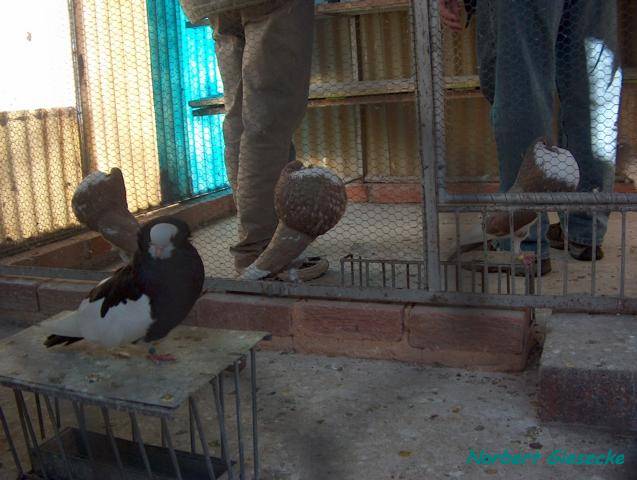
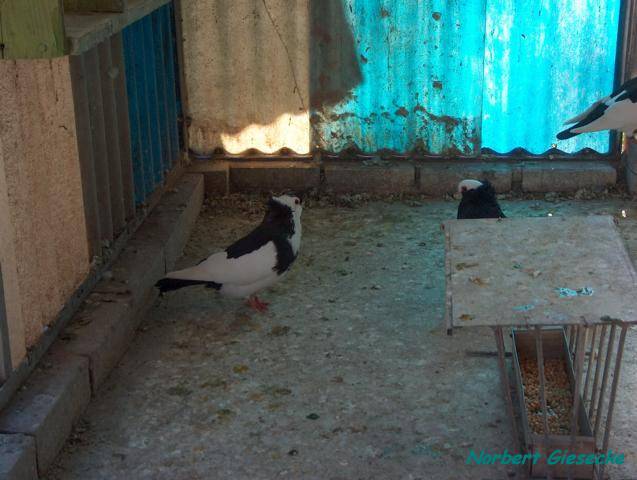
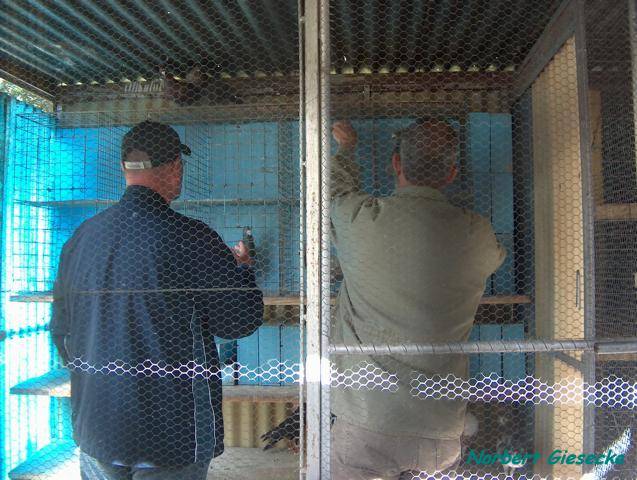
Die Schlaganlage
|
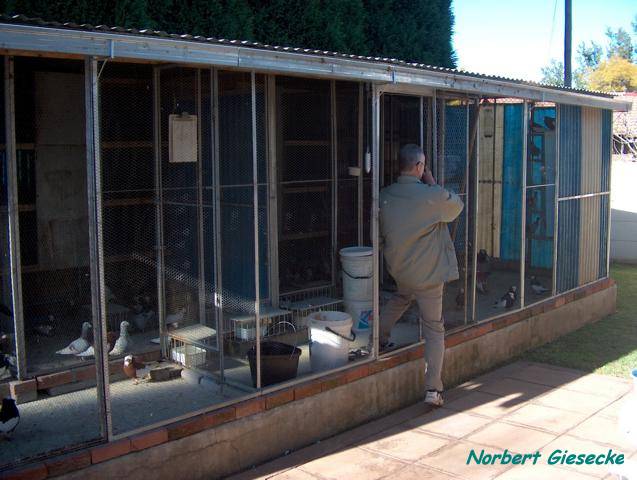
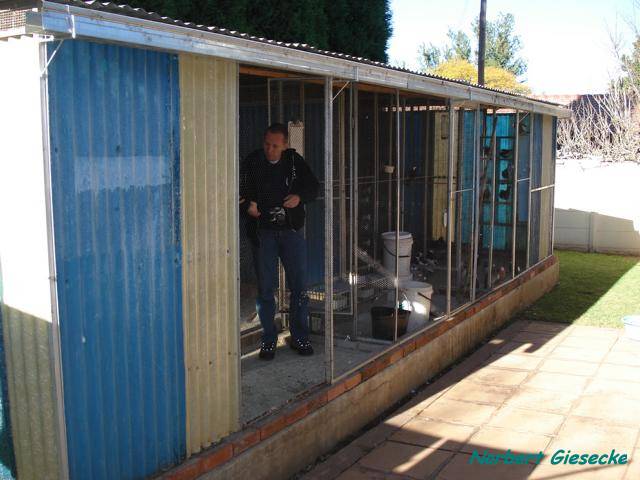
The Loft |
|
 |
 |
|
 |
 |
 |
 |
 |
|
Die Tauben
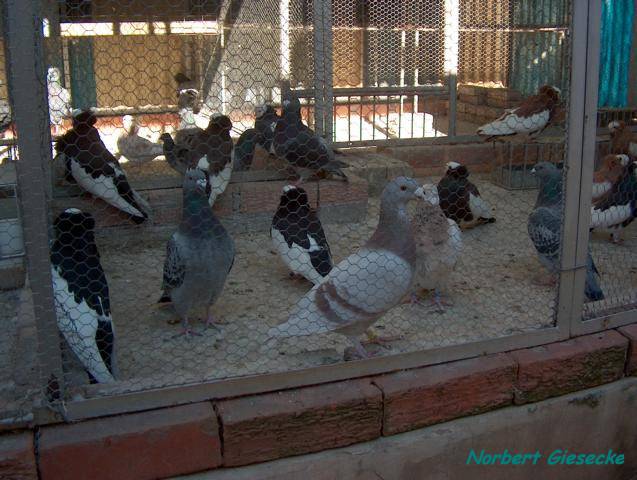
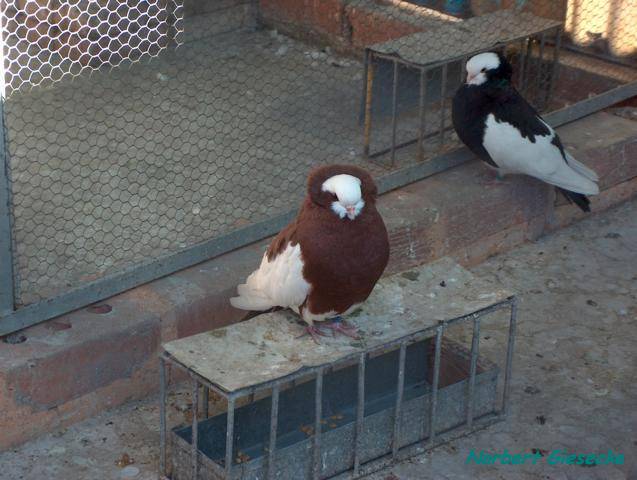
The birds |
-
- |
-
- |
--
-- |
-
- |
.
© by Giesecke • dhww-message@gmx.net
| |
| |
|
|
|



 -
-
 -
-
 -
-
 -
-
 -
-
 -
-
 -
-